
Japanese plant stands, particularly the tall and narrow variety, offer a captivating blend of aesthetics and functionality. These meticulously crafted pieces, often imbued with centuries of design principles, are more than just containers; they are expressions of cultural heritage and artistic vision. From the selection of materials to the placement within a space, each aspect speaks to a deep-rooted appreciation for harmony and balance.
This comprehensive guide explores the intricate world of Japanese plant stands, delving into their historical context, design principles, and contemporary interpretations. We will examine the various materials, construction techniques, and optimal plant choices for these uniquely shaped stands. Understanding the symbolism embedded within these objects adds another layer of richness to the appreciation of their beauty.
Defining the “Plant Stand”
Japanese plant stands, a cornerstone of Zen-inspired interior design, are more than mere functional supports. They are meticulously crafted pieces that embody the aesthetic principles of harmony, balance, and simplicity. Their design often reflects a deep appreciation for natural materials and a reverence for the plants they hold. Beyond their practical purpose, these stands are integral elements in creating a tranquil and visually appealing space.Japanese plant stands exhibit a remarkable variety, distinguished by their form, materials, and intended use.
Their designs are informed by centuries of artistic tradition, emphasizing natural shapes and unadorned elegance. The emphasis on simplicity and functionality is evident in the careful selection of materials and the meticulous execution of each piece.
Types of Japanese Plant Stands
Japanese plant stands vary widely in style, with “tall and narrow” stands representing a distinct category. Their elongated silhouette, often coupled with a slender base, emphasizes verticality and visual lightness. This contrasts with broader, more squat stands that focus on a more grounded presence. The specific shape of the stand often reflects the shape of the plant it is intended to hold.
Aesthetic Qualities of Japanese Plant Stands
Japanese plant stands often prioritize natural materials like wood, bamboo, or ceramic, which evoke a sense of tranquility and connection to nature. The meticulous attention to detail, evident in the precise joinery of wooden stands or the subtle glaze on ceramic ones, adds to their aesthetic appeal. The interplay of light and shadow on the smooth surfaces of these stands further enhances their beauty.
Distinguishing “Tall” and “Narrow” Stands
“Tall” and “narrow” plant stands are characterized by their elongated profile. This design choice often emphasizes verticality, creating a sense of elegance and height in a space. The narrow width of these stands can make them suitable for areas where space is limited or where a more streamlined aesthetic is desired.
Examples of Japanese Plant Stand Designs
Examples of “tall and narrow” stands include those made from oiled cherry wood, featuring a sleek, tapering form that ascends gracefully. Others might be constructed from lacquered bamboo, with intricate knotting patterns subtly woven into the stand’s structure. Variations in height and width are abundant, ranging from petite stands suitable for small succulents to imposing structures ideal for larger, statement-worthy plants.
Materials Used in Japanese Plant Stands
| Material | Wood Types | Metals | Ceramics |
|---|---|---|---|
| Wood | Cherry, Maple, Oak, Bamboo | Iron, Copper, Brass | Earthenware, Porcelain |
| Finish | Natural Oil, Lacquer | Polished, Patinated | Glazed, Unglazed |
These materials, each with their unique properties, contribute to the overall aesthetic and character of the stand. The choice of material often reflects the specific design and intended function of the stand. Wood stands might be chosen for their warmth and natural beauty, while metal stands could add a touch of modern sophistication. Ceramics offer a delicate and refined aesthetic.
Historical Context
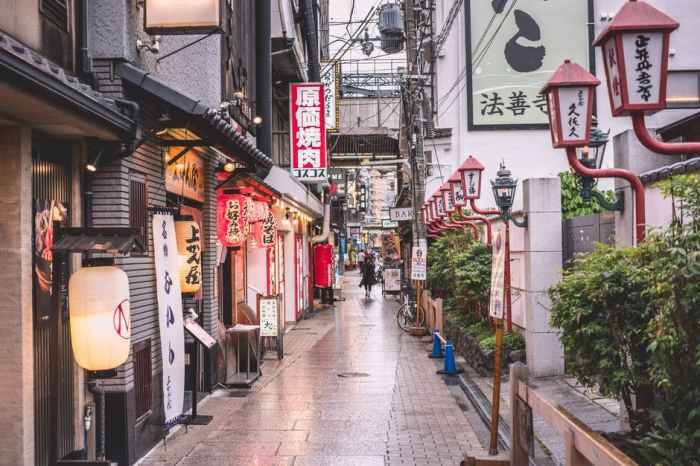
The evolution of plant stands in Japanese design reflects a deep-seated reverence for nature and a commitment to aesthetics that transcend mere utility. These stands, far from being simple supports, are integral components of the overall artistic expression, embodying cultural values and philosophical principles. Their design and placement often speak volumes about the intended atmosphere and the relationship between the human and the natural world.From humble beginnings as functional supports, plant stands in Japan have developed into sophisticated works of art, reflecting evolving tastes and artistic movements.
Their development mirrors broader trends in Japanese aesthetics, including the emphasis on minimalism, harmony with nature, and the pursuit of beauty in simplicity. The materials used, the craftsmanship, and the symbolic meanings all contribute to the rich history of these stands.
Traditional Japanese Gardens
Plant stands in traditional Japanese gardens serve a crucial role in shaping the visual experience and maintaining the balance of the landscape. Their placement is meticulously considered, ensuring harmony between the plant, the stand, and the surrounding environment. The stands themselves often echo the natural forms and textures of the garden, contributing to a sense of continuity between the artificial and the natural.
Interior Spaces
Plant stands in Japanese interiors, especially in tea ceremonies and Zen gardens, often play a key role in creating a tranquil and serene atmosphere. The design of these stands often incorporates minimalist aesthetics, emphasizing the natural beauty of the plant and the surrounding environment. The use of natural materials, like wood, bamboo, and stone, reinforces the connection with nature within the home.
Craftmanship and Symbolic Meaning
The craftsmanship of Japanese plant stands varies greatly depending on the era and the specific materials used. Early examples, often made of simple wood, demonstrate a functional approach, whereas later examples showcase intricate carvings, lacquer work, and metallic accents, reflecting a more artistic sensibility. These elements often carry symbolic meaning, for instance, certain woods might symbolize strength or longevity.
The placement of the plant on the stand itself can also carry symbolic significance, relating to specific philosophical concepts or aesthetic principles.
Examples of Historical Plant Stands
Early plant stands often employed simple, functional designs, showcasing the inherent beauty of natural materials like unadorned wood. These stands were designed to hold plants firmly without imposing on the plant’s natural form or the surrounding environment. As time progressed, the use of more refined materials and elaborate craftsmanship became more prevalent, exemplified in stands with sculpted bases or decorative carvings.
Comparison of Plant Stand Styles Across Historical Periods
| Historical Period | Material | Design Features | Symbolic Meaning |
|---|---|---|---|
| Heian Period (794-1185) | Simple wood, occasionally lacquered | Straightforward, functional designs, emphasizing natural forms. | Focus on simplicity and functionality; the plant itself was central. |
| Edo Period (1603-1868) | Lacquered wood, metal, ceramics | More elaborate designs, including intricate carvings, metallic accents, and decorative bases. | Reflected increasing affluence and artistic sophistication; emphasized the beauty of craftsmanship. |
| Meiji and Taisho Periods (1868-1926) | Variety of materials, including metal and glass | Modern influences blended with traditional aesthetics; focus on harmony and balance | Emphasis on practicality and adaptability, while still adhering to the core principles of Japanese aesthetics. |
Design Principles
Tall and narrow plant stands, a hallmark of Japanese design, are more than mere functional supports. Their aesthetic appeal stems from meticulously considered design principles that prioritize harmony, balance, and a deep respect for the natural world. These principles translate into a visual language that transcends simple practicality, embodying a philosophy of mindful living.The design of these stands is deeply rooted in a holistic approach, where the stand itself is not a mere container, but an integral part of the overall presentation of the plant.
Proportions, visual weight, and the incorporation of Japanese aesthetics such as wabi-sabi, all play crucial roles in achieving a visually satisfying and spiritually resonant object.
Harmony and Balance
Japanese aesthetics emphasize the concept ofwa*, or harmony. This principle manifests in plant stands through a balanced interplay of form and function. The stand should not overwhelm the plant, nor should it be so understated as to disappear. A successful design achieves a visual equilibrium, where the plant’s presence and the stand’s structure are in perfect harmony.
This equilibrium is often achieved through symmetrical or asymmetrical arrangements, where each element contributes to a unified whole. The material used should complement the plant’s natural beauty, creating a sense of unity rather than contrast.
Proportions and Visual Weight
Proportions play a critical role in establishing visual harmony. A stand that is too tall or too wide for the plant will disrupt the balance. Similarly, a stand that is too small will fail to provide adequate support and make the plant appear insignificant. Careful consideration of proportions is crucial to create a visual balance between the plant and its support structure.
The visual weight of the stand is also critical. A heavy stand might overshadow the delicate beauty of the plant, while a lightweight stand could make the plant seem precarious. The goal is to create a sense of groundedness and stability.
Application of Japanese Aesthetics
Japanese aesthetics, particularly wabi-sabi, significantly influence the design of plant stands. Wabi-sabi embraces the beauty of imperfection, asymmetry, and the passage of time. This translates into plant stands that are not necessarily perfectly symmetrical or flawlessly smooth. Instead, subtle imperfections, natural wood grain, or the subtle patina of age can be viewed as integral components of the design, enhancing the sense of authenticity and connection to nature.
This aesthetic preference often emphasizes simplicity and understated elegance.
Table of Design Principles
| Design Principle | Application to Plant Stands |
|---|---|
| Harmony | The plant and stand should work together visually, creating a sense of unity and balance. |
| Balance | The stand should provide stable support without overwhelming the plant’s visual presence. |
| Simplicity | The design should focus on essential elements, avoiding unnecessary embellishments or distractions. |
| Proportions | The stand’s size should be in proportion to the plant’s size and shape. |
| Visual Weight | The stand’s weight should be balanced with the plant’s visual presence, avoiding overbearing or precarious appearances. |
| Wabi-sabi | The design may embrace imperfections, natural textures, and the beauty of age, emphasizing the natural world’s inherent beauty. |
Materials and Construction
Tall and narrow plant stands, often used for showcasing exotic or delicate greenery, demand a specific blend of aesthetic appeal and structural integrity. Choosing the right materials and construction methods is crucial for both longevity and visual impact. The selection process must consider the stand’s intended use, the plant’s weight, and the overall design aesthetic.The success of a plant stand hinges on its ability to support the weight of the plant and pot without compromising its form or stability.
Proper material selection and construction techniques are paramount to achieving this balance. A well-crafted stand not only holds the plant securely but also enhances its visual appeal.
Common Materials
Plant stands frequently utilize a range of materials, each with unique properties influencing their suitability for various applications. Wood, metal, and composite materials are common choices, each possessing distinct advantages and disadvantages.
- Wood: Widely used for its natural beauty and warm aesthetic. Hardwoods like oak or walnut offer exceptional strength and durability, while softer woods like pine might require more careful consideration for heavy plants. Wood’s natural variations in grain and color contribute to the unique character of each stand. Maintaining wood requires periodic care, including sealing and protection from moisture.
- Metal: Metal stands, often crafted from steel, aluminum, or wrought iron, excel in strength and longevity. Steel stands offer robust support, ideal for large or heavy plants. Aluminum, while lighter, can still provide adequate support and is more resistant to rust. Wrought iron, with its intricate designs, provides a classic aesthetic. Metal stands require minimal maintenance compared to wood, but their appearance can be affected by weathering and corrosion over time.
- Composite Materials: These modern alternatives combine the advantages of different materials, often including polymers and fiberglass. Composite materials are known for their lightweight nature and resistance to moisture and decay, making them ideal for outdoor use. They can offer a clean, modern aesthetic. However, the structural integrity might vary depending on the specific composite material and manufacturing process.
Construction Techniques
The construction techniques employed directly impact the plant stand’s stability, durability, and aesthetic appeal. Precise craftsmanship plays a pivotal role in ensuring the stand’s longevity and visual integrity.
- Joining Methods: The way components are joined, whether through welding, bolting, gluing, or mortise-and-tenon techniques, determines the strength and longevity of the stand. Each method has specific strengths and weaknesses. For instance, welded metal joints provide exceptional strength, but they may not be as aesthetically pleasing as a meticulously crafted wooden joinery.
- Support Systems: The design of the support system is critical for supporting the plant’s weight. This often involves the use of internal bracing, structural supports, and reinforced bases. The appropriate support system needs to be tailored to the size and weight of the plant and pot combination.
- Finishing Techniques: The finishing process adds to the plant stand’s aesthetic appeal and protects it from environmental damage. Various finishing techniques, from painting and varnishing to polishing and lacquering, can significantly enhance the stand’s durability and visual appeal.
Craftsmanship
Craftsmanship remains a vital aspect of high-quality plant stands. The attention to detail, precision in execution, and mastery of the chosen techniques are crucial for achieving the desired result.
- Precision and Accuracy: Carefully measured cuts and precise assembly techniques are essential for ensuring the stand’s stability and longevity. Skilled artisans are able to craft stands that are not only visually appealing but also structurally sound.
- Aesthetic Considerations: Beyond functionality, craftsmanship is reflected in the stand’s aesthetic qualities. The intricate details, smooth surfaces, and overall design contribute to the stand’s visual appeal.
Material Comparison
| Material | Strengths | Weaknesses |
|---|---|---|
| Wood | Natural beauty, warmth, customizable | Susceptible to moisture, requires maintenance |
| Metal | Strength, durability, longevity, minimal maintenance | Can be heavy, less aesthetically diverse |
| Composite | Lightweight, moisture resistance, durability | Potential for variations in structural integrity |
Placement and Styling
Tall and narrow plant stands, especially those with a Japanese aesthetic, offer a sophisticated way to elevate any space. Their slender silhouettes allow for strategic placement without overwhelming the room, making them ideal for apartments or homes with limited floor space. The careful selection of plants and the consideration of the overall design theme are crucial for achieving a harmonious and visually appealing display.Strategic positioning is key to maximizing the visual impact of a tall and narrow plant stand.
The stand’s height and width should be considered in relation to the surrounding furniture and the overall scale of the room. Placement near windows or areas with ample natural light can highlight the plant’s foliage and create a focal point.
Plant Selection for Tall and Narrow Stands
The choice of plants for tall and narrow stands is significant. Plants with elongated foliage, such as ferns, bamboo, or certain orchids, complement the vertical nature of the stand. Consider the plant’s mature size to ensure it will fit comfortably within the stand’s confines without hindering its overall aesthetic. Succulents, with their varied textures and shapes, also work well in these settings.
Integration into Design Styles
Plant stands can seamlessly integrate into various interior design styles. In a contemporary setting, a minimalist stand with clean lines paired with modern, geometric foliage can add a touch of sophistication. A Japanese-inspired stand, often crafted from natural materials like wood or bamboo, can enhance the tranquility and serenity of a Zen-like living space. Consider the specific materials and textures of the stand to reinforce the chosen aesthetic.
Placement Examples and Styling Choices
The placement of a tall and narrow plant stand can dramatically alter the mood of a room. In a living room, strategically placed near a sofa or fireplace, it can draw the eye and provide a focal point. In a dining room, a stand situated near the window or entrance can serve as a welcoming display. For a bedroom, a smaller, more delicate stand near a bedside table can introduce a touch of nature and tranquility.
A key styling element is the use of complementary accessories like small sculptures, decorative trays, or unique pots to further enhance the visual appeal. Consider the overall colour palette of the room to select plants that complement the existing décor. For example, a stand placed in a room with neutral tones can feature a variety of foliage colours.
Japanese-Inspired Styling
Japanese aesthetics often emphasize minimalism and natural materials. A tall and narrow stand in a Japanese-style room might feature a bamboo stand holding a single, striking fern or a collection of small bonsai trees. The emphasis is on simplicity and harmony with the natural world. Avoid overly elaborate arrangements, focusing instead on the inherent beauty of the plant and the stand itself.
Contemporary Styling
In a contemporary setting, the stand can showcase a diverse range of plant life. A sleek, modern stand can hold a collection of succulents in various sizes and textures, adding a touch of unique character to the space. The arrangement should reflect the room’s clean lines and minimalist aesthetic. Consider using contrasting materials, like a black metal stand with green or grey foliage, to create a bold visual statement.
Maintenance and Care

Proper plant stand maintenance is crucial for preserving their aesthetic appeal and longevity. Neglect can lead to deterioration, impacting the overall ambiance of the space and the health of the plants they support. Understanding the specific needs of different materials is key to ensuring your plant stand remains a beautiful and functional piece for years to come.Maintaining a plant stand involves a combination of regular cleaning, protective measures, and understanding the inherent properties of the materials used in its construction.
This proactive approach safeguards the stand’s structural integrity and enhances its visual appeal, ensuring it remains a suitable display for your prized botanical collection.
Cleaning Techniques for Different Materials
Different materials require tailored cleaning methods. Ignoring these distinctions can lead to damage or dulling of the finish. Proper cleaning techniques extend the life of the plant stand, preventing premature wear and tear.
- Wood: Wood stands benefit from gentle cleaning with a soft cloth dampened in a mild soapy solution. Avoid harsh chemicals or abrasive cleaners, which can damage the wood’s finish. Drying the wood thoroughly is essential to prevent water damage. For more stubborn stains, a wood-specific cleaner can be used, following the manufacturer’s instructions. Regular waxing or oiling can help maintain a lustrous finish and protect the wood from moisture.
- Metal: Metal stands, especially those with a polished finish, require careful cleaning to maintain their shine. A soft cloth dampened with a mild dish soap solution is ideal. Avoid abrasive cleaners that can scratch the surface. For stubborn dirt, a metal polish can be used. After cleaning, ensure the metal is thoroughly dried to prevent water spots.
Some metal stands, particularly wrought iron, may benefit from a specialized metal cleaner or a protective sealant to prevent rust.
- Stone: Stone plant stands are typically durable, but require gentle cleaning. Use a soft-bristled brush or a cloth dampened with water and a mild detergent. Avoid harsh chemicals that could etch the surface. Thorough rinsing and drying are essential to prevent water stains. Natural stone, like marble or granite, may benefit from occasional sealing to enhance its protection against stains and moisture.
- Ceramic: Ceramic stands, often glazed, can be cleaned with a soft cloth dampened with warm water and a mild dish soap. Avoid harsh scrubbing, which can damage the glaze. Rinse thoroughly and dry completely to prevent water spots. If the glaze is chipped or damaged, specialized ceramic cleaners might be required.
Preventing Damage and Maintaining Beauty
Protecting your plant stand from damage and maintaining its beauty over time is crucial for its longevity. Preventive measures extend the life of the stand, minimizing the need for extensive repairs or replacements.
- Positioning: Avoid placing the plant stand in areas prone to extreme temperature fluctuations or direct sunlight. These conditions can affect the material and cause discoloration or damage.
- Support: Ensure the stand is adequately supporting the weight of the plants and any decorative elements placed on it. Overloading can lead to warping or breakage.
- Protection: Consider using protective pads or coasters beneath the plant stand, especially if it’s on a surface prone to scratches or spills.
Cleaning Products
Choosing the right cleaning products is vital for maintaining the integrity of your plant stand. Using appropriate products ensures the stand’s beauty is preserved while avoiding potential damage.
| Material | Cleaning Product |
|---|---|
| Wood | Mild dish soap, wood cleaner, wax, oil |
| Metal | Mild dish soap, metal polish, protective sealant |
| Stone | Mild detergent, soft brush |
| Ceramic | Warm water, mild dish soap |
Symbolism and Meaning
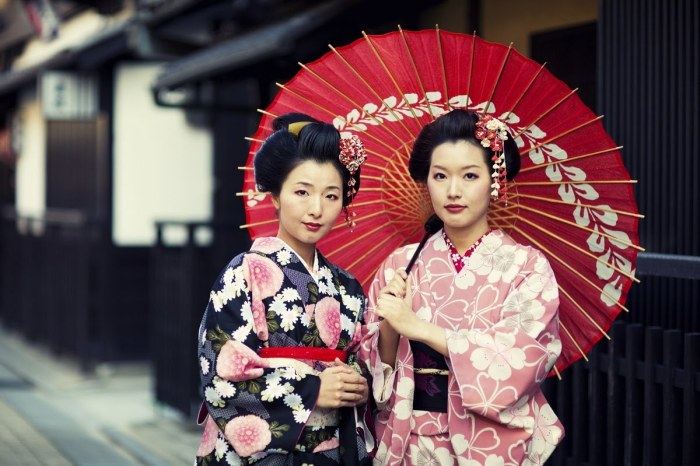
Japanese plant stands, with their slender silhouettes and meticulous craftsmanship, are more than mere functional objects. They embody a deep-seated reverence for nature and a nuanced understanding of aesthetics, seamlessly blending practicality with symbolic meaning. This reverence often translates into a profound appreciation for the delicate balance between human life and the natural world.These stands are not simply containers for plants; they are carefully curated expressions of personal taste and cultural values.
The careful selection of plant species and the positioning of the stand within a space are often deliberate choices that communicate a specific message or intention. The plant itself, carefully chosen for its aesthetic qualities and symbolic associations, adds another layer to the overall meaning.
Symbolic Representations in Plant Stands
Japanese aesthetics prioritize harmony, balance, and the beauty of natural forms. Plant stands often reflect this philosophy, conveying a sense of tranquility and connection to the natural world. The careful selection of plants and their placement on the stand plays a critical role in conveying symbolic meaning.
- Tranquility and Serenity: The presence of plants, especially those known for their calming fragrance or aesthetic appeal, like bonsai or flowering plants, can evoke a sense of serenity and peace. The very act of cultivating and appreciating the plant’s growth is often seen as a path to inner peace.
- Growth and Renewal: Plants represent the cycle of life, death, and rebirth. Their ability to thrive in various environments, including indoors, symbolizes resilience and adaptation, resonating with the Japanese concept of kōan, a problem or puzzle that stimulates spiritual contemplation. The choice of a plant known for its vigorous growth can symbolize a flourishing future.
- Connection to Nature: Bringing the natural world indoors through plant stands fosters a sense of connection to nature, a vital aspect of Japanese aesthetics and philosophy. This connection is deeply ingrained in Japanese culture and is reflected in the way plants are integrated into daily life.
- Balance and Harmony: The careful selection and arrangement of plants on a stand often reflect a desire for balance and harmony, both within the home and in life. The visual equilibrium, achieved through the arrangement, signifies a balanced existence. This is a reflection of the broader Japanese cultural emphasis on maintaining harmony in all aspects of life.
Specific Examples of Symbolic Representation
The specific plant chosen can carry a multitude of symbolic meanings. For example, a bamboo plant, known for its resilience and strength, might be placed on a stand to symbolize strength and endurance. Similarly, cherry blossoms, emblematic of the fleeting beauty of life and the brevity of spring, could be used to reflect a sense of appreciation for life’s beauty, even in its transience.
- Bamboo: Symbolic of strength, resilience, and flexibility. Its ability to withstand harsh conditions embodies the Japanese appreciation for endurance.
- Cherry Blossoms (Sakura): Symbolizing the fleeting beauty of life, often associated with renewal and the impermanence of joy. The short-lived blooming period of sakura underscores the significance of appreciating life’s moments.
- Chrysanthemum: A flower often associated with longevity and prosperity, the chrysanthemum’s placement on a stand can convey wishes for a long and prosperous life.
Materials and their Symbolic Implications
The materials used in the construction of the plant stand can also add layers of meaning. For example, the use of natural materials like wood or bamboo might emphasize the connection to nature and the inherent beauty of natural elements.
Contemporary Interpretations
Japanese plant stands, steeped in centuries of tradition, continue to resonate in contemporary design. Modern designers are embracing the aesthetic principles of these objects while adapting them to the needs and sensibilities of the present. This fusion of old and new is evident in the materials, techniques, and overall aesthetic impact of contemporary plant stands.Contemporary designers are reimagining the traditional forms, infusing them with innovative materials and construction methods.
This reinterpretation reflects a broader trend in design, where traditional aesthetics are revitalized for a modern context. The result is a unique blend of classic elegance and contemporary flair, appealing to a wide range of design preferences.
Modern Materials and Techniques
The evolution of materials and techniques allows for a wider range of possibilities in plant stand design. Traditional materials like lacquered wood, bamboo, and ceramic are still highly valued, but modern alternatives like steel, glass, and resin are gaining prominence. The use of these modern materials allows for greater flexibility in form and function, creating stands that are both aesthetically pleasing and practical.
The application of advanced techniques, like laser cutting and 3D printing, allows for intricate details and unique shapes not possible with traditional methods.
Comparison of Modern and Traditional Designs
While contemporary plant stands draw inspiration from their traditional counterparts, key differences emerge. Traditional designs often prioritize simplicity and natural materials, emphasizing the inherent beauty of the plant and its environment. Contemporary designs, while still respecting these principles, often incorporate more complex forms, utilizing modern materials to create visually striking pieces. The use of contrasting textures and colors is more common in modern designs, adding a dynamic element to the plant stand’s overall aesthetic.
Examples of Contemporary Plant Stands
Contemporary plant stands often showcase a fusion of traditional aesthetics and modern design sensibilities. For instance, a stand crafted from reclaimed wood, featuring a minimalist design with a sleek metal base, would capture this fusion. Another example might be a stand constructed from transparent acrylic, showcasing the plant within a modern, almost ethereal setting. These examples, while incorporating elements of traditional Japanese design, incorporate a distinct modern aesthetic, emphasizing clean lines and innovative material choices.
The choice of materials and the overall design aesthetic will significantly impact the visual impact of the stand, making it an essential part of the plant’s display.
Aesthetic Impact
Contemporary plant stands contribute significantly to the overall aesthetic of a space. The visual appeal of these objects can range from understated elegance to bold and striking statements. The carefully considered placement of the plant stand, in conjunction with the stand’s design, can elevate the overall ambiance of a room. In many cases, the plant stand becomes a focal point, enhancing the beauty of the plant and drawing attention to the carefully curated environment.
Plant Selection and Arrangement
Tall and narrow plant stands offer a unique opportunity to showcase vertical greenery. Choosing the right plants is crucial to maximizing their aesthetic impact and ensuring plant health. Proper arrangement complements the stand’s design while promoting plant vigor.Careful consideration of plant size, shape, and growth habit is essential. Plants that overgrow the stand will detract from the intended design.
Conversely, undersized plants may not adequately fill the space. The overall aesthetic depends on harmony between the plant’s form and the stand’s dimensions.
Optimal Plant Choices
Plants selected for tall and narrow stands should ideally be adaptable to vertical growth. Species with a naturally upright or cascading habit are excellent choices. Consider plants that don’t spread extensively, allowing the verticality of the stand to be the focal point. Examples include certain ferns, orchids, air plants, and various succulents. Aesthetics are also a factor; consider the foliage’s texture and color to complement the stand’s material and overall decor.
Plant Arrangement Examples
The arrangement method depends on the specific plant and the stand’s dimensions. For a minimalist look, a single, dramatic statement plant like a tall orchid or a sculptural fern can be placed centrally. Multiple smaller plants of varying heights and textures can be grouped together, cascading down the stand for a fuller, more lush appearance. For a more formal arrangement, consider using plants with a similar foliage shape and color, creating a symmetrical or balanced visual impact.
Maintaining Plant Health
Maintaining the health of plants in tall and narrow stands requires careful attention to watering and lighting. Watering frequency should be adjusted based on the specific plant’s needs and the stand’s environment. Overwatering can lead to root rot, while underwatering can cause wilting and stress. Light levels are also crucial; ensure the stand is placed in an area with adequate but not excessive light, as this varies by plant type.
Regular inspection for pests and diseases is also vital for overall plant well-being.
Suitable Plant Types
| Plant Stand Style | Suitable Plant Types | Arrangement Notes |
|---|---|---|
| Modern, Minimalist | Air Plants, Orchids, Succulents (e.g., agave, echeveria), tall ferns | Single, dramatic plants; focus on the plant’s unique shape and form. |
| Rustic, Boho | Hanging Pothos, Monstera, various ferns, cascading succulents (e.g., string of pearls) | Create a layered effect; allow plants to cascade and trail. |
| Formal, Symmetrical | Bamboo palms, certain orchids, topiary plants | Emphasis on symmetry and balance; plants should complement each other in shape and size. |
Cost and Availability

Tall and narrow plant stands, while visually appealing, are not always readily available or affordable. Their price is influenced by a complex interplay of materials, manufacturing processes, and market demand. Understanding these factors is crucial for both consumers seeking the perfect stand and businesses aiming to meet the market’s needs.
Factors Affecting Price
The cost of tall and narrow plant stands is determined by several key factors. Material selection is paramount; high-quality, sustainable wood like reclaimed teak or exotic hardwoods will command a premium price compared to cheaper alternatives like MDF or particleboard. The intricacy of the design and craftsmanship also plays a significant role. Hand-carved or meticulously detailed stands will naturally be more expensive than simpler, mass-produced models.
Manufacturing processes, including labor costs and specialized techniques, further influence the final price. Finally, market demand and brand recognition also contribute to pricing. Luxury brands or limited edition designs often command higher prices.
Availability in Different Markets
Availability varies significantly across different markets. In regions with strong artisanal traditions and readily available high-quality materials, plant stands may be more accessible and diverse. Conversely, in areas with limited access to premium materials or where demand is lower, options might be more limited and potentially more expensive due to import costs. Online marketplaces offer a wider selection, potentially spanning global markets, but delivery costs can impact the overall price.
Local retailers often provide more immediate access but may offer a narrower range of styles and materials.
Comparison of Materials and Costs
The choice of material significantly impacts the cost of a plant stand. Natural materials like solid wood, whether oak, walnut, or reclaimed wood, typically come with a higher price tag. These materials often showcase unique grain patterns and offer durability, but their cost is dictated by the specific type of wood, its availability, and the processing involved. Manufactured materials like metal, particularly powder-coated steel or aluminum, often offer a more budget-friendly option, particularly for simpler designs.
However, their durability and aesthetic appeal may vary.
Cost Range Table
| Plant Stand Type | Material | Estimated Price Range ($) |
|---|---|---|
| Simple Metal Stand | Powder-coated Steel | $50 – $200 |
| Mid-range Wooden Stand | Solid Oak | $150 – $500 |
| Hand-Crafted Wooden Stand | Reclaimed Teak | $500 – $2000+ |
| Modern Metal Design | Powder-coated Aluminum | $100 – $300 |
Note: Prices are estimates and can vary based on size, design complexity, and retailer.
Closing Notes
In conclusion, Japanese plant stands, especially the tall and narrow designs, represent a sophisticated fusion of artistry, tradition, and contemporary design. Their enduring appeal lies not only in their visual elegance but also in the intricate history and cultural significance they embody. This exploration provides a thorough understanding of these pieces, enabling readers to appreciate the nuances of their design, symbolism, and proper placement within various settings.
Choosing the right plant and maintaining the stand will ensure its beauty endures.
